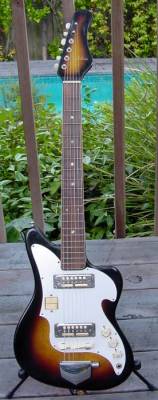
Zen-On
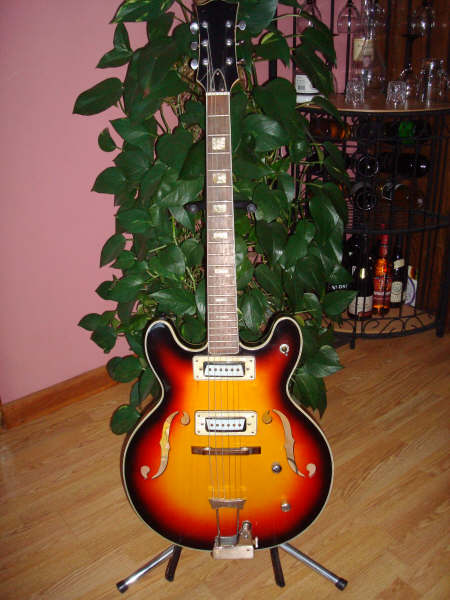
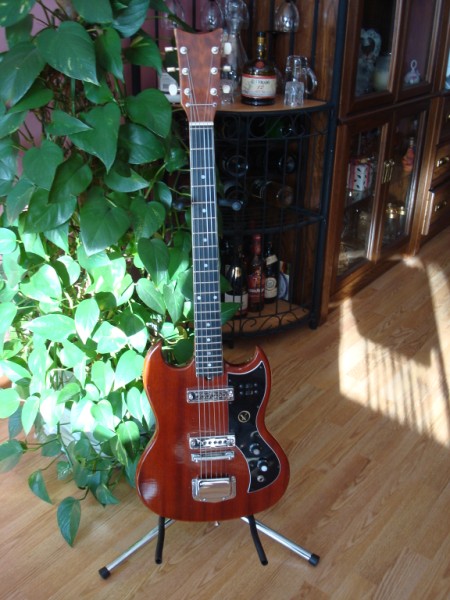
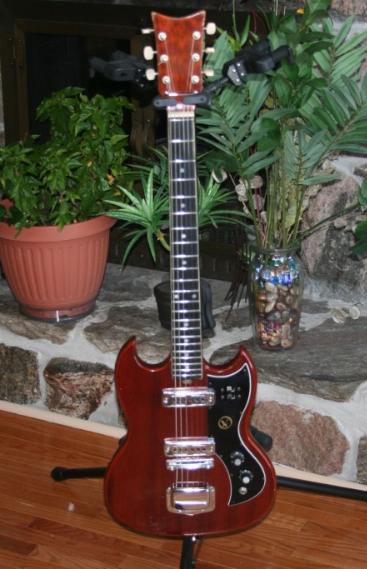
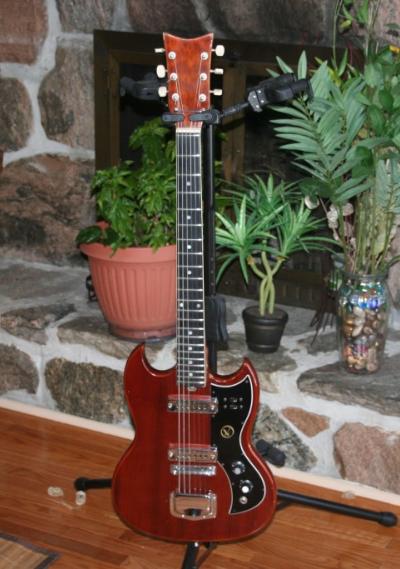
Picked up at a local thrift shop in Bradford, Ontario. Made in Japan, back in the sixties. It has great sounding pickups and overall good quality parts.
Still being researched. More will be added here later.
The collection · 1 of 3
Most were built in Japan in the sixties and seventies, when the factories there were turning out instruments that would embarrass the originals they copied. Nothing here was bought new.
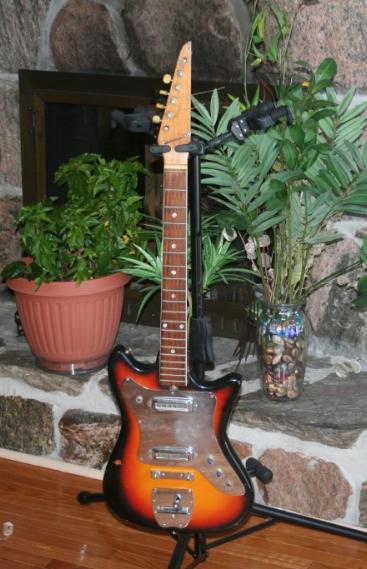
Picked up at a local thrift shop in Bradford, Ontario. Made in Japan, back in the sixties. It has great sounding pickups and overall good quality parts.
Still being researched. More will be added here later.
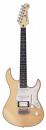
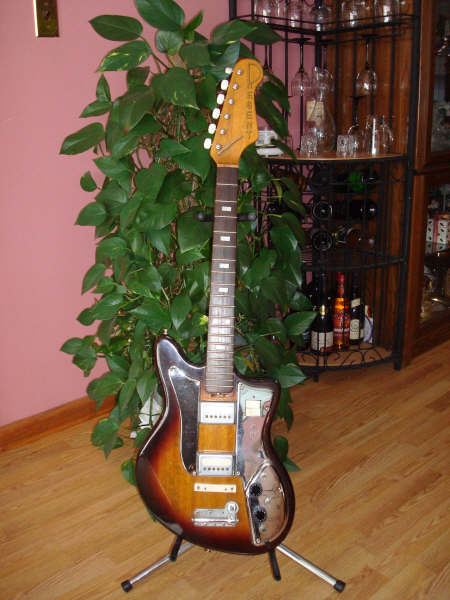
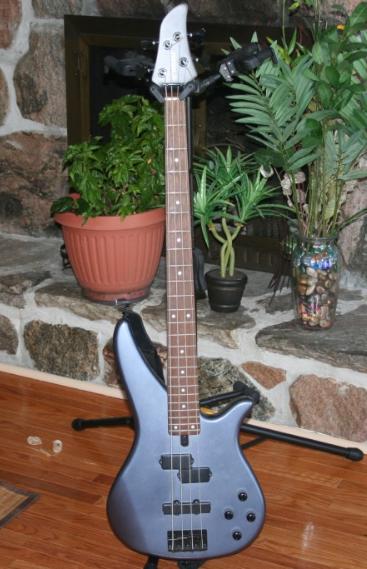
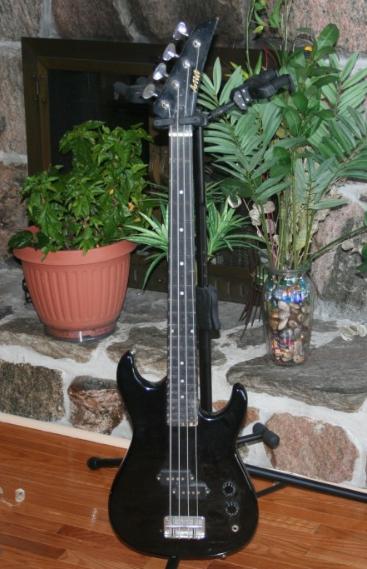
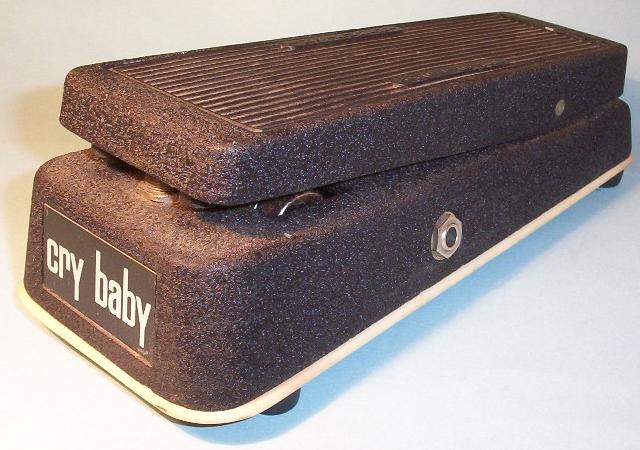
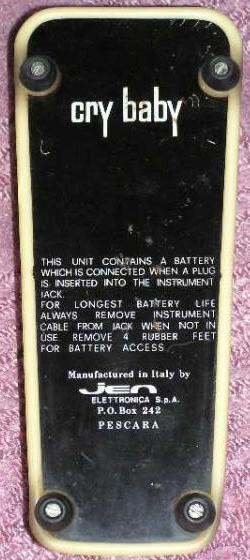
Picked up at an auction in Churchill, Ontario, in a bass case. The bonus was the original Crybaby, made in Italy by Jen Industries, which houses the red foil cap — that came with it too.
Sounds like a classic Fender or Tele.
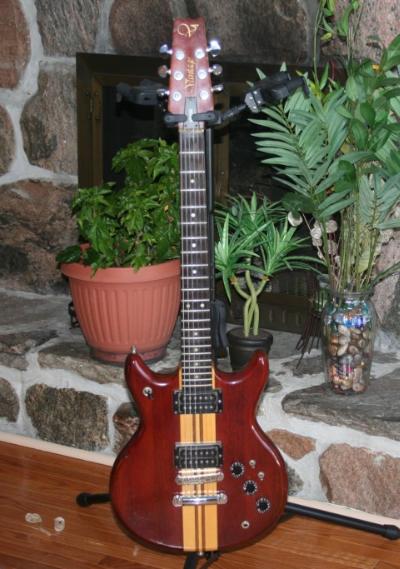
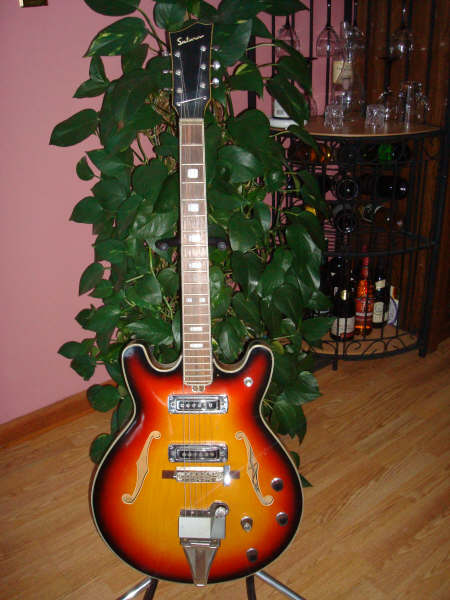
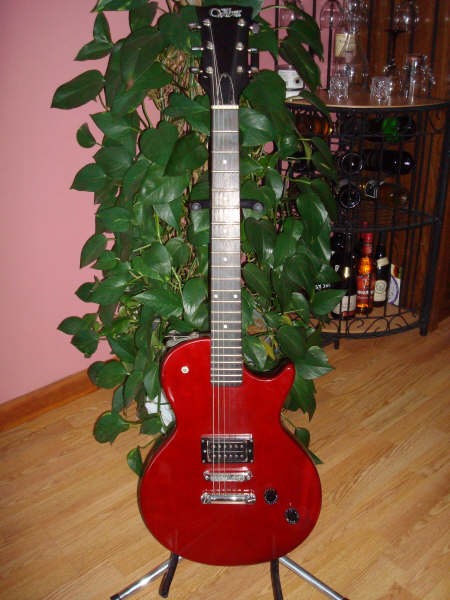
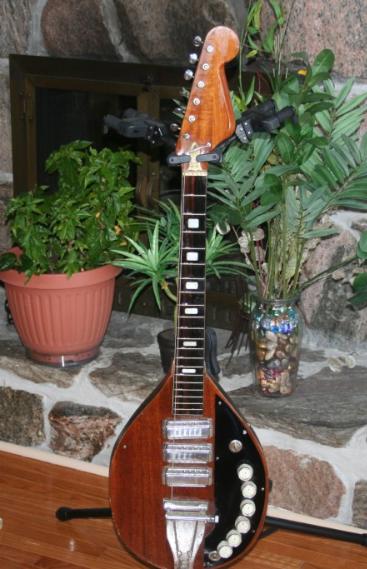
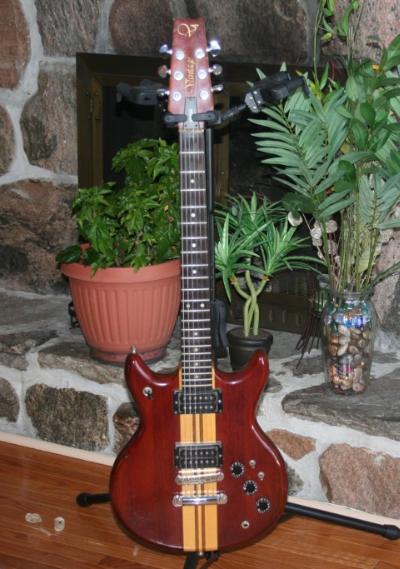
Found secluded in a dark corner of a recording studio called KezRock Entertainment, owned by a dear friend of mine. It was his first guitar, so it carried a lot of sentimental value. I felt sorry for it — it wasn't getting the attention his Fender or Gibson were getting — and I made a point of visiting it every time I was over there.
He finally caved and offered to make a deal. We won't get into the sweet deal he gave me.
After a little TLC, this baby rocks.
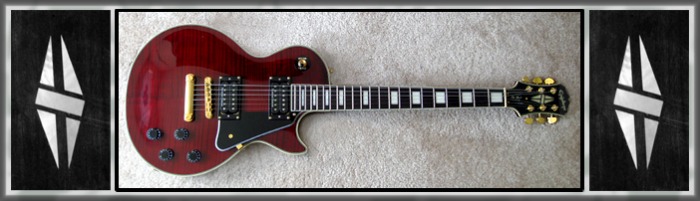
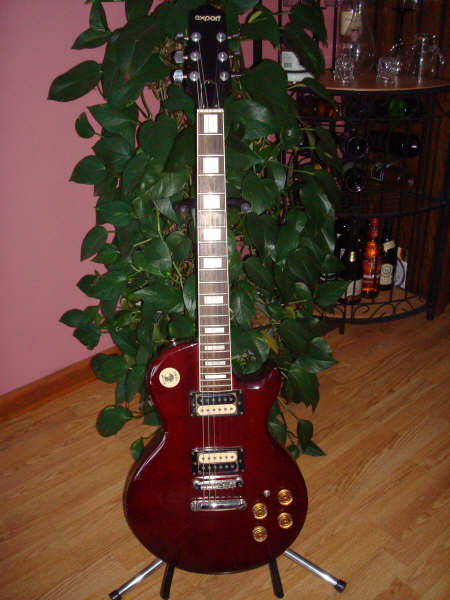
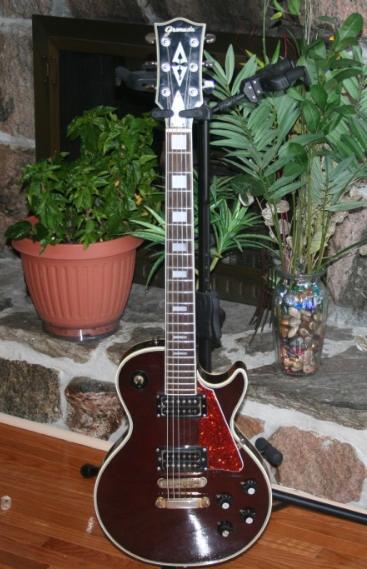
Picked this seventies gem up at a hock shop in Bradford, Ontario. Neglected — but after some TLC it plays like a champ.
The history, from a note that came with it: Granada was a house brand, made in the mid-seventies and early eighties at — get this — the Aria Pro plant in Japan, by the same factory and the same people building the Aria Pro II. What you essentially have is a Les Paul. As good as, or better than, any made with the Gibson logo. Never give it up.
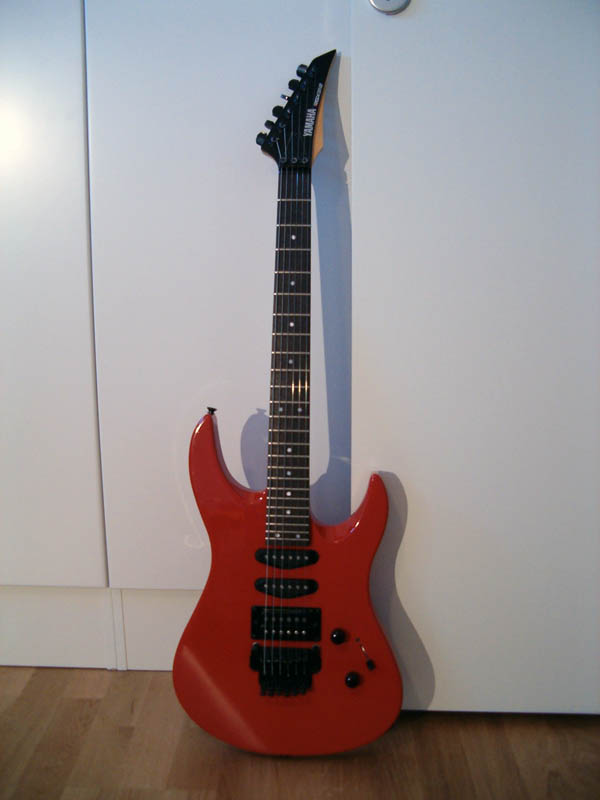
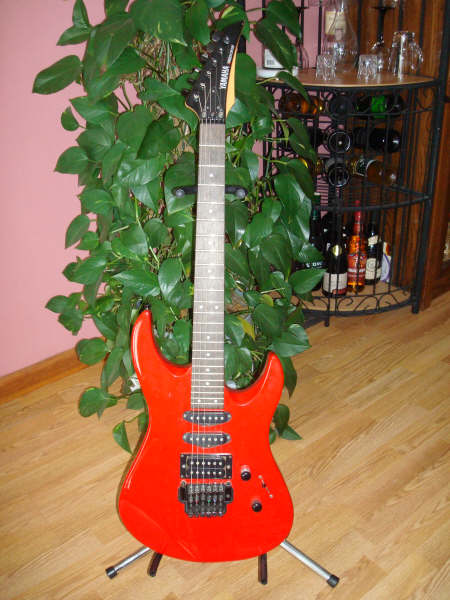
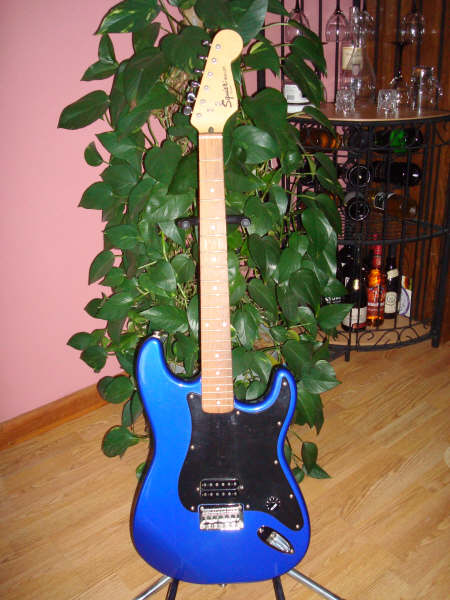
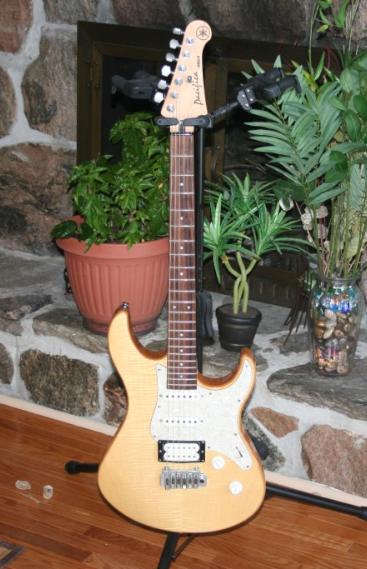
Picked up at another one of my frequently visited establishments. A very good sounding guitar and it plays very well — Strat-style neck, push-pull pot. The humbuckers and single coils together give a great tone.
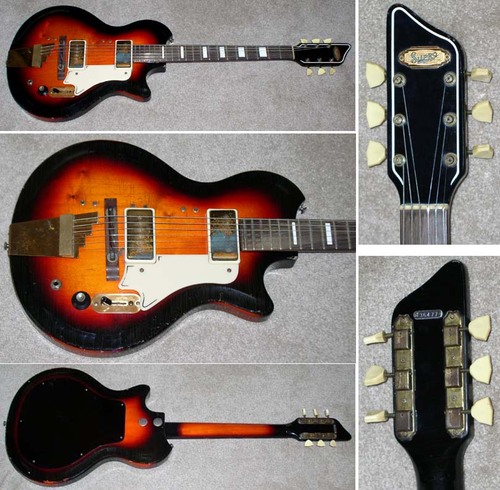
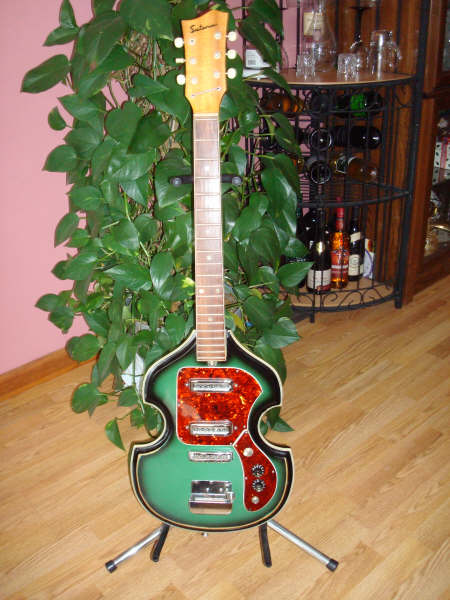
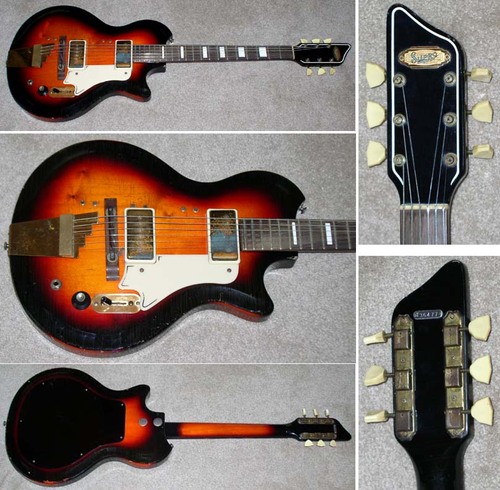
A Valco-made Supro. These are dated by a small oblong plate — brass or aluminium — tacked to the back of the neck with two brass nails. The plate carries the serial number, and the number gives you the year.
The full table runs from 1940 to 1964. It is on the reference shelf, because it applies to every National, Supro, Airline and Silvertone instrument made the same way.
The collection · 2 of 3
Three of these came from places that had no idea what they had. One came out of a dump.
Found at one of my favourite frequently visited locations. This cabinet works great with the Traynor YBA-3 Custom Special, cranking out 135 watts of pure Class A tube tone.
Power stack in surround, four original heavy-duty 12-inch Jensen speakers, super-concrete centre position. Enhanced stereo imaging with stereo amps, optimal efficiency with mono amps.
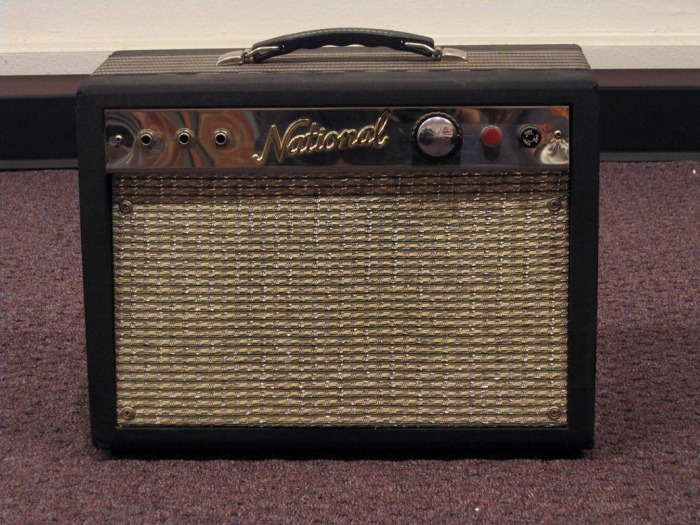
Built in the late fifties by Valco. Pure Class A, all tube, point to point, with the gold name plate.
A friend of mine who works at a dump found this amp and put it aside for me, knowing I'd be interested. When I first laid eyes on it my jaw fell to the ground — I knew the history of this amp immediately. What a find. A diamond in the rough.
It was plug and play. No hum. Sounded fantastic. These were commonly used for harmonica, steel and blues guitar.
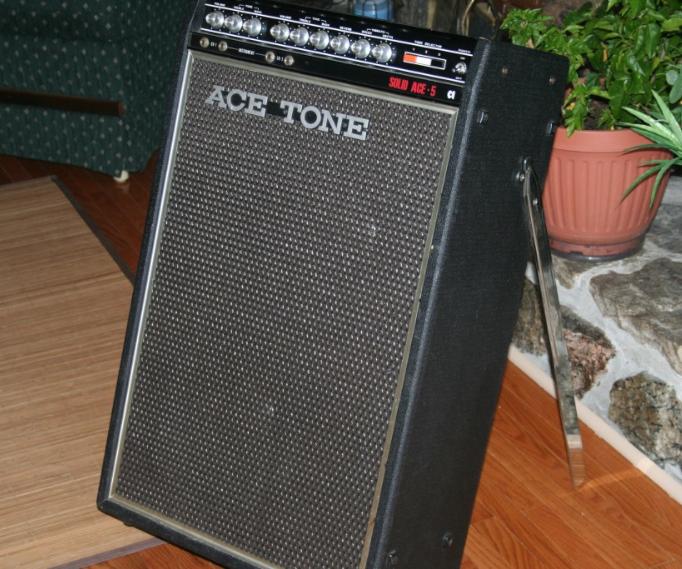
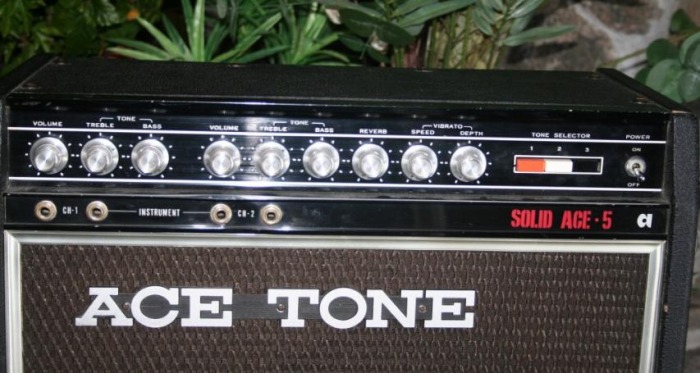
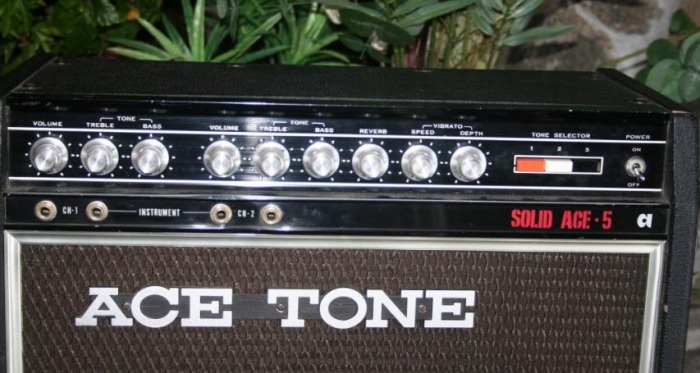
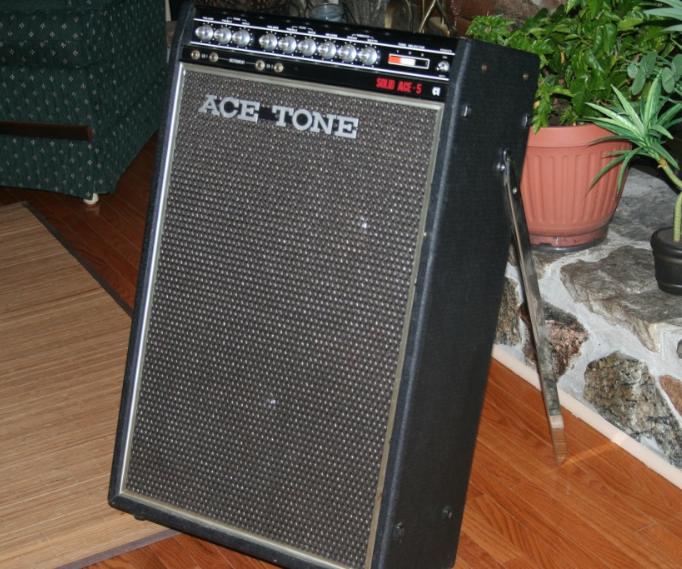
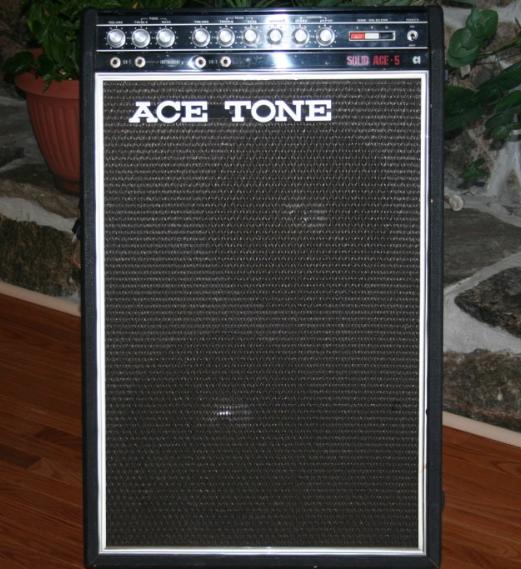
Driving by a pawn shop in Bradford, Ontario, I decided to go in and check it out. A vintage Ace Tone caught my eye. I asked the clerk about its history and all he could tell me was that it had just hit the floor. I turned to him and said, "cool looking amp — looks like it's from the sixties." After finding out a little more I decided to go back and see if it was still there. Thankfully it was.
So Vox-looking — twin twelves with silver dust caps — it followed me home.
The interesting fact: it was made by the founder of Roland. His first company was Ace Tone, likely hand-made in his own house. Very hard to research. Very rare.
Acquired from Al Reynolds, who bought the amp directly from Peter Traynor himself in 1968 for $800. It came with the Big Bertha cabinet on dolly wheels, an amp cover and a cabinet cover.
Steve and Ken — thank you.
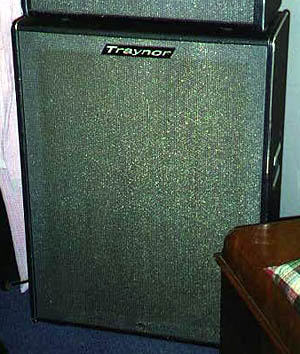
Eight ten-inch Marsland speakers in one box. This cab was built to run in pairs with the YBA-3.
Talk about loud.
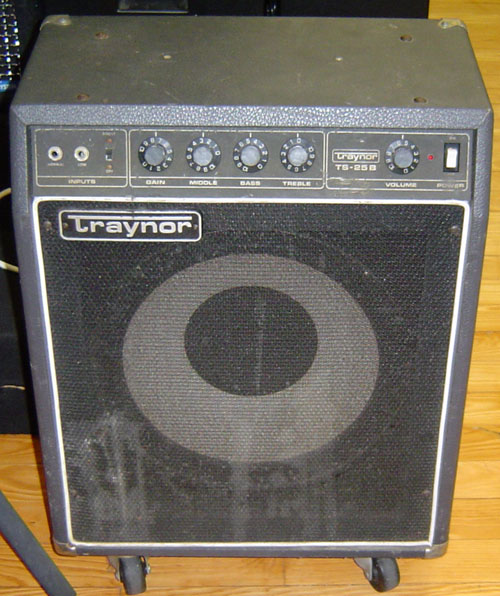
A 1979, 25-watt transistor bass amp with a fifteen. It works amazingly with pedals, and it's known in the industry for being used on guitar more than bass.
I once saw one used at a bar by a professional, and was blown away by the sound he was getting out of it and his Boss pedals.
The collection · 3 of 3
The small things that do half the work.
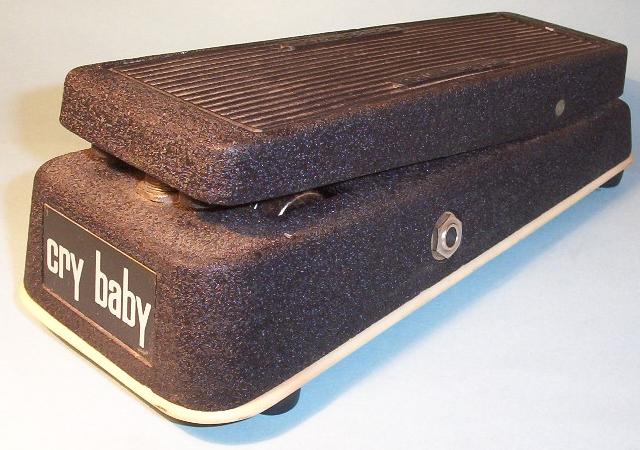
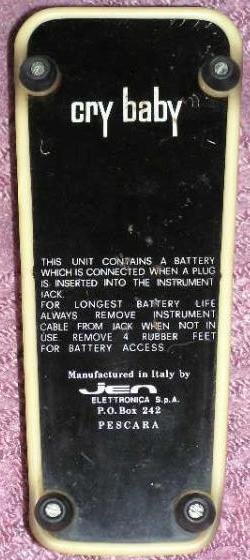
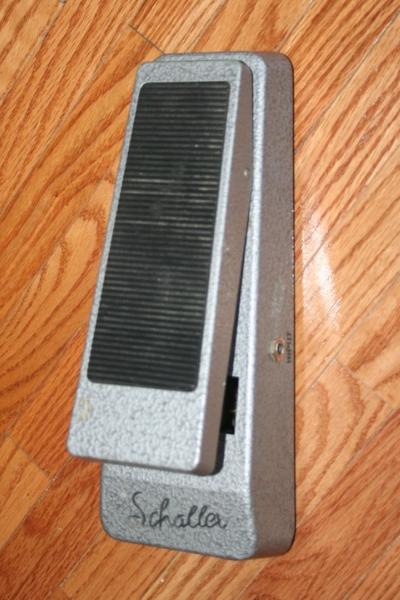
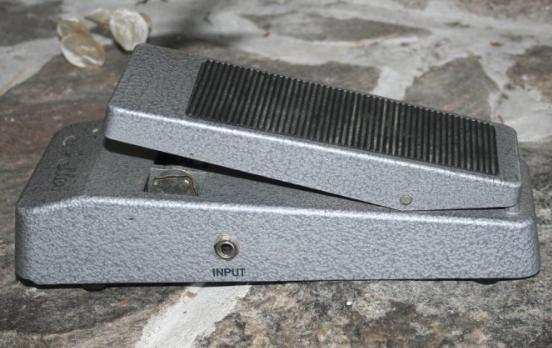
This is the real deal — the first design, by Thomas Organ. They discovered the sound during an experiment with an organ volume pedal. The second photograph is the base.
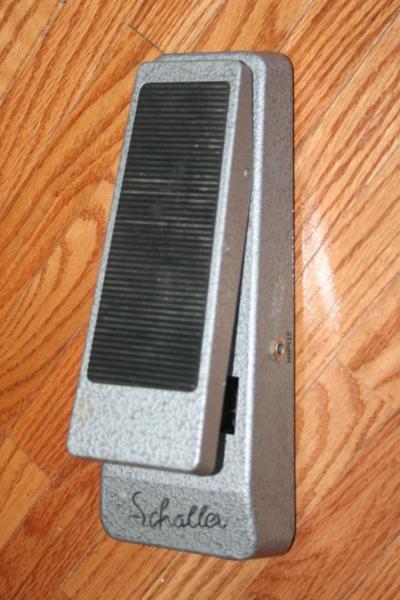
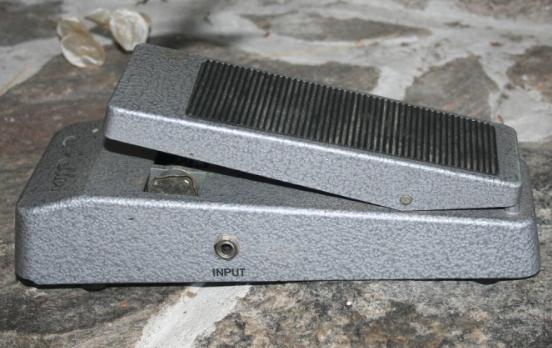
Made in Germany. Nothing more has been established about it yet.
Not a guitar
Bob kept his bikes on the same site, which tells you something about the man. Both Kawasakis.
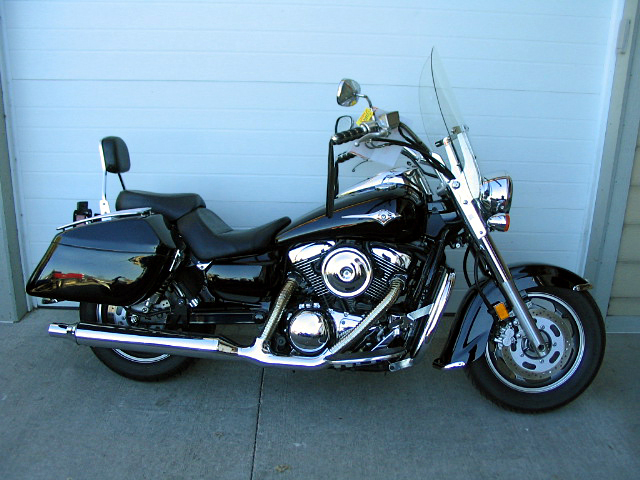
The cruiser — black, big, and built for distance. Windscreen, backrest, hard bags on the back.
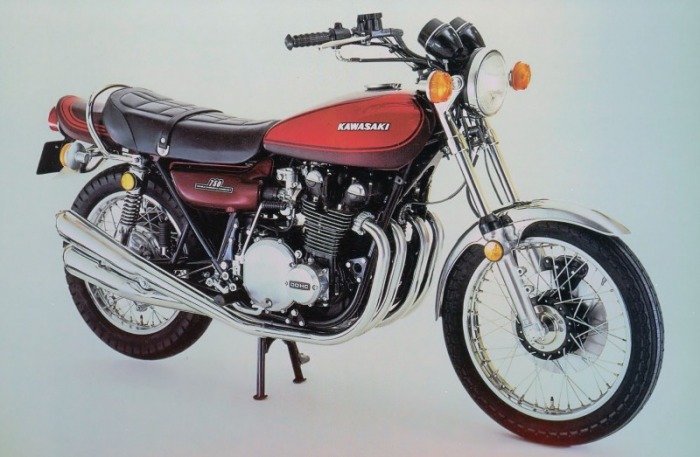
The other end of the same idea. The Z1 is the one that made Kawasaki's name — a 900cc four that arrived in 1972 and rewrote what a production motorcycle could do. This is the photograph Bob put on the site: studio-lit, orange tank, four pipes across the back.
The photographs
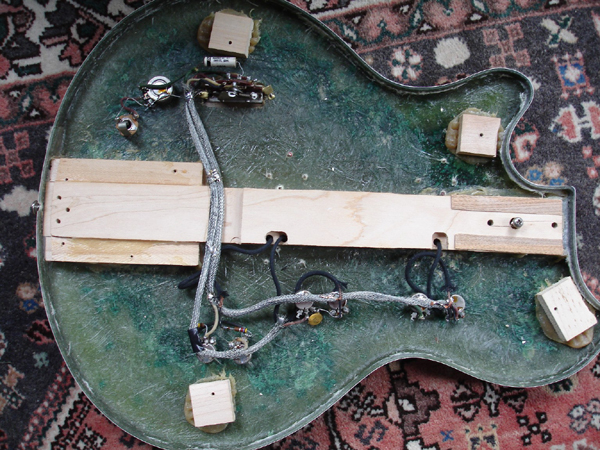
All of it, in the order it appeared — instruments, detail shots, the inside of a fibreglass Supro body, paperwork, bikes, and one photograph of a singer from the seventies. Click any one to see it full size.
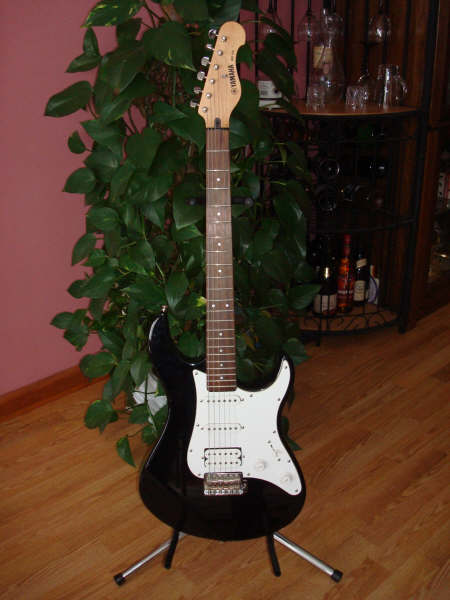
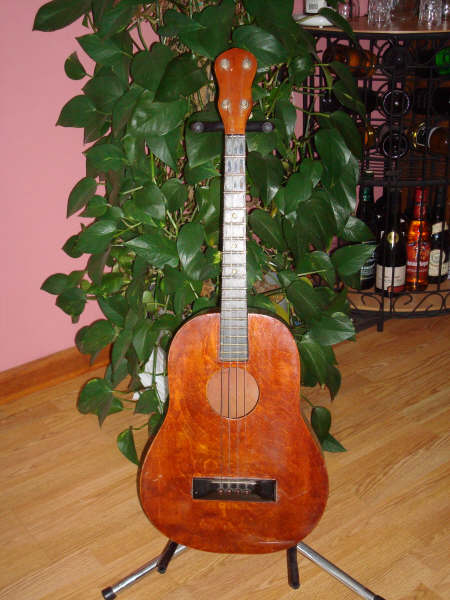
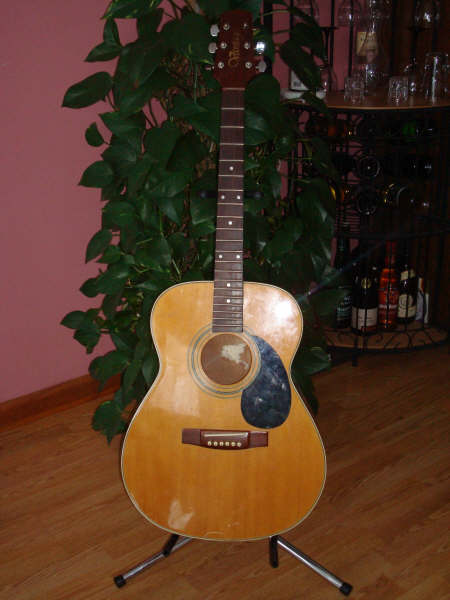
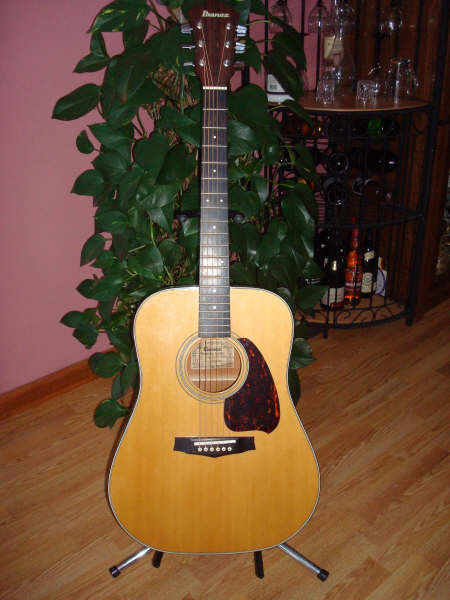
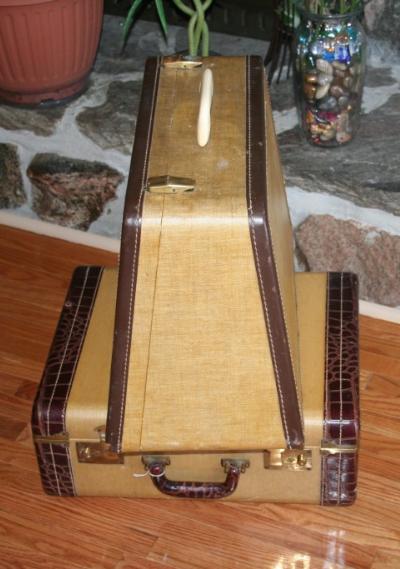
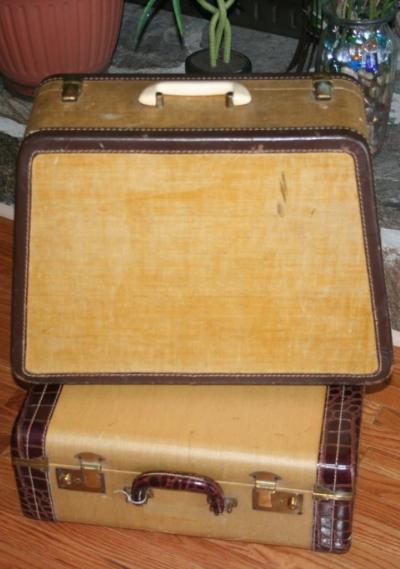
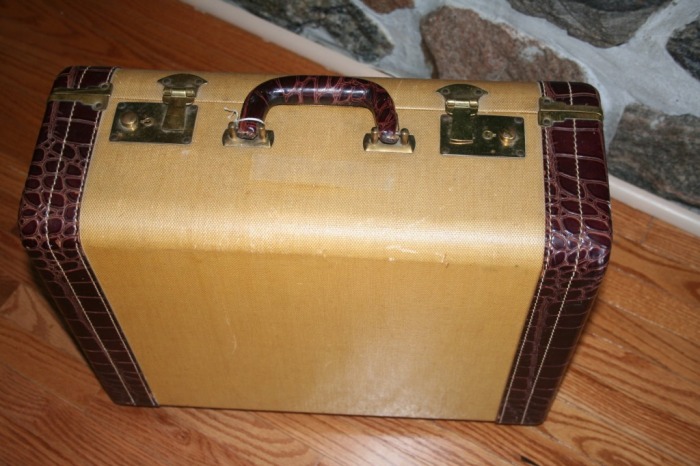
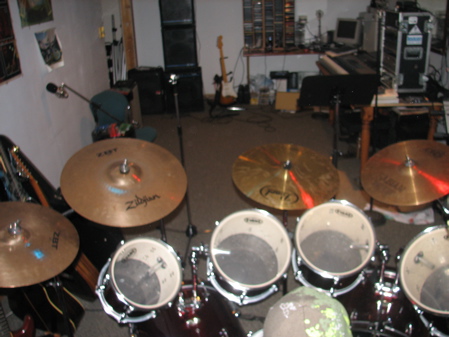
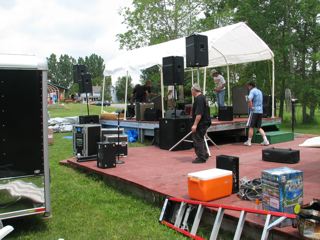
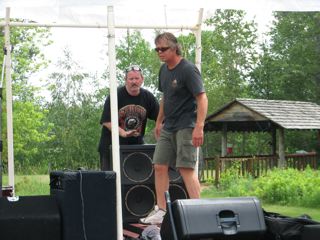
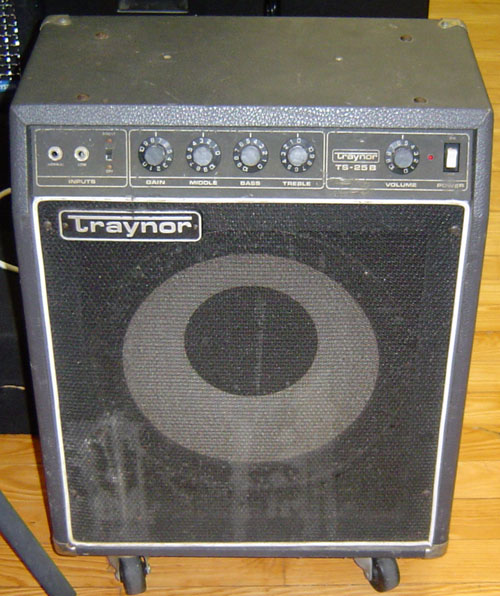
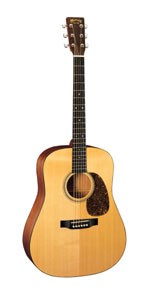
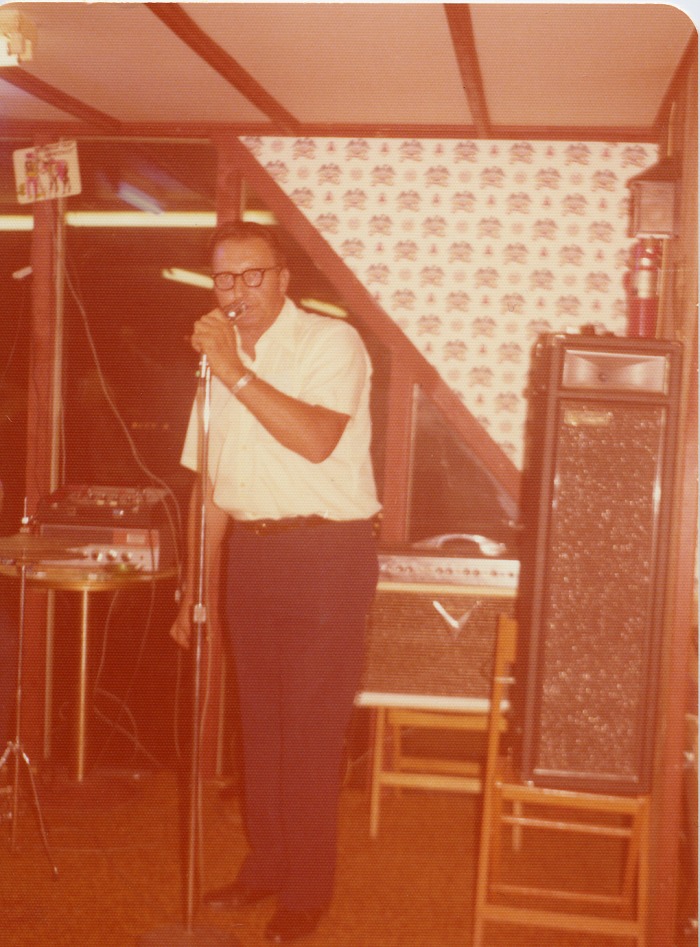
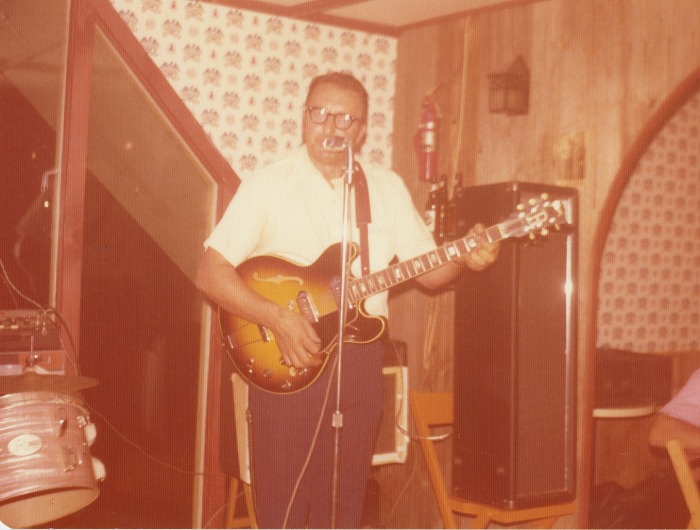
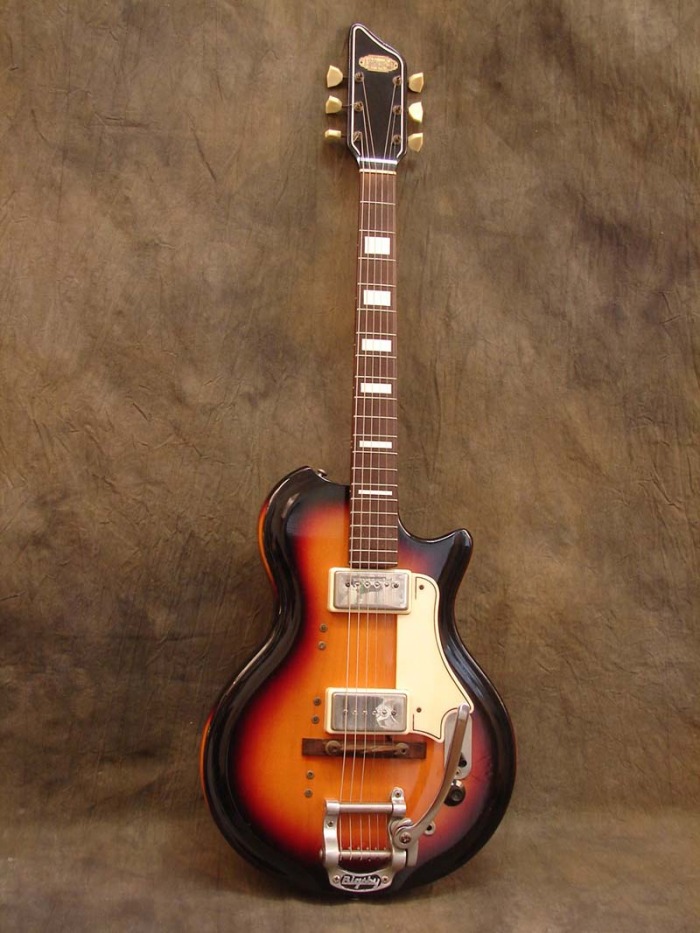
Forty-nine photographs in the gallery; sixty-nine image files recovered in total. These are the largest versions that ever existed on the old site.
Bob's research shelf
Years of hunting through forums and dead ends, narrowed down to the sites actually worth going back to. Some of these are older than the site itself — a few have rotted since 2009, so the Internet Archive is the way in when a link no longer answers.
How to
The working end of the collection: how to clean it, set it up, wire it and fix it. Mostly video walkthroughs, because a photograph of a truss rod does not teach you what a truss rod feels like.
Cool videos
Two recordings made at home with the guitars in this collection — Bruce playing, laid down for fun. The old page carried them with nothing but filenames; they are kept here at full quality.
People and words
The one blog post the site ever got, and the two places Bob pointed people towards.
Hi everyone! I hope you enjoy my site. I love reading about and researching vintage and rare guitars, especially the classics made in Japan back in the 60s and 70s.
I also enjoy learning about the gear that's bolted on to these guitars. One would be surprised to find out that you don't have to spend a lot of money to get that vintage sound found on 2000+ signature guitars.
Although some rare guitars may not be considered vintage by its purist definition, they can often be found with the same vintage parts that make the classics sound like they do. Finding these rare guitars and identifying their parts brings me joy.
This site is an archive of everything I've felt to be interesting and informative that I've come across over the years.
Please feel free to leave a comment about anything interesting you've come across. Better yet, check out my new forum.
Enjoy the site.
Also from the sidebar: "My passion is restoring guitars, bringing them back to life and anticipating how beautiful they sound."

A good friend of mine has a recording studio. So if you're looking to lay down some tracks, give him a shout and tell him Bob sent ya.
KezRock Studio is an affordable music studio, forty minutes north of Toronto. Sound engineering of live shows is available. Multitrack recordings are produced to any level to suit all budgets. Video clips can be added to any recordings. Musicians can be provided for session work. Live music, and karaoke or disc jockey are available for your events. Electrical consulting can be provided for studio and live applications.
KezRock Studio is a family owned independent music studio. Please support independent Canadian music.
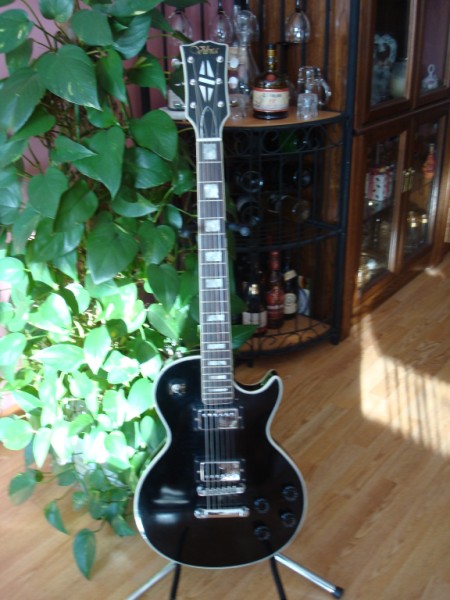
The Vantage VP795 was found in a dark corner of this studio.
Smokey Amps now available — please visit their site, or better yet, drop on by.
connorsmusic.ca — the outbound link, kept exactly as he wrote it.
The site had a free forum bolted on near the end. It was hosted by Nabble, which no longer offers that service, so the forum itself is gone — the link is kept for the record, because an archive should not quietly lose a room.
Reference shelf
Company history, a serial number table and a patent. None of it is ours — it is the paperwork that makes the instruments readable.
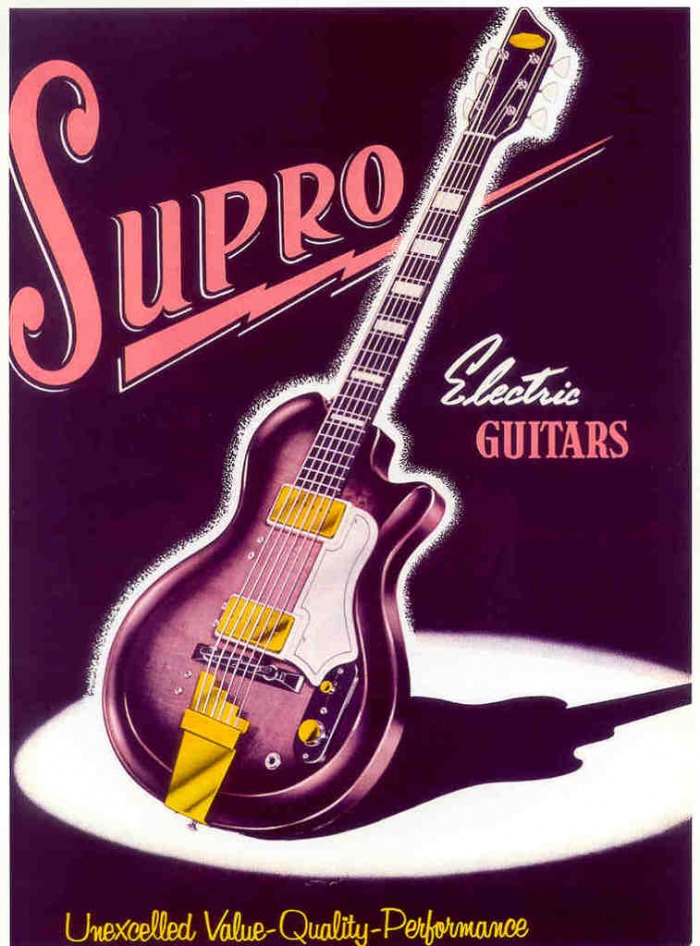
Valco vintage guitars have their roots in the Valco Manufacturing Company, founded in the 1940s by Victor Smith, Al Frost and Louis Dopyera. Valco made guitars, amplifiers and other instruments for about two decades before merging with the Kay Musical Instrument Company in 1967. Less than a year after the merger they were out of business, which makes the window in which Valco guitars were built a very short one.
Several brand names sit under Valco: Supro, National, Oahu and Airline. The best known are the sixties instruments, when the company began making electric guitars out of fibreglass — "Res-O-Glas", which they described as Space Age Polyester Glass. It could be moulded in any colour of the rainbow, so the guitars were genuinely unnatural colours rather than painted to look that way.
Those guitars introduced the "Gumby" headstock, named for its resemblance to the television character. Supro models included the Ozark, the Martinique, the Bermuda and the Belmont; National had the Newport and the Glenwood 99.
From 1940, National and Valco serial numbers were stamped on a small oblong metal plate — brass or aluminium — tacked to the back of the neck with two small brass nails. Amplifiers carried the same plates.
The system also covers instruments Valco built for Sears (Silvertone), Montgomery Ward (Airline), Gretsch, Oahu and others.
| Number range | Year |
|---|---|
| G suffix | 1940–1942 |
| V100 – V7500 | 1947 |
| V7500 – V15000 | 1948 |
| V15000 – V25000 | 1949 |
| V25000 – V35000 | 1950 |
| V35000 – V40000 | 1951 |
| X100 – X7000 | 1951 |
| X7000 – X17000 | 1952 |
| X17000 – X30000 | 1953 |
| X30000 – X43000 | 1954 |
| X43000 – X57000 | 1955 |
| X57000 – X71000 | 1956 |
| X71000 – X85000 | 1957 |
| X85000 – X99000 | 1958 |
| T100 – T5000 | 1958 |
| T5000 – T25000 | 1959 |
| T25000 – T50000 | 1960 |
| T50000 – T75000 | 1961 |
| T75000 – T90000 | 1962 |
| G100 – G5000 | 1962 |
| T90000 – T99000 | 1963 |
| G5000 – G15000 | 1963 |
| G15000 – G40000 | 1964 |
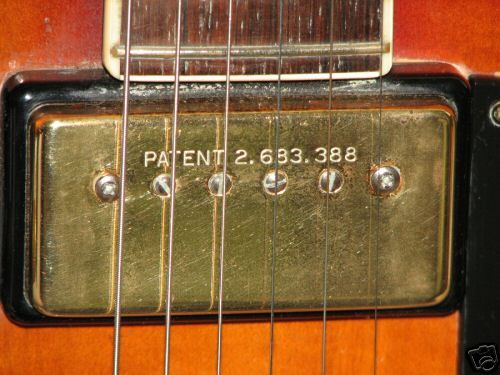
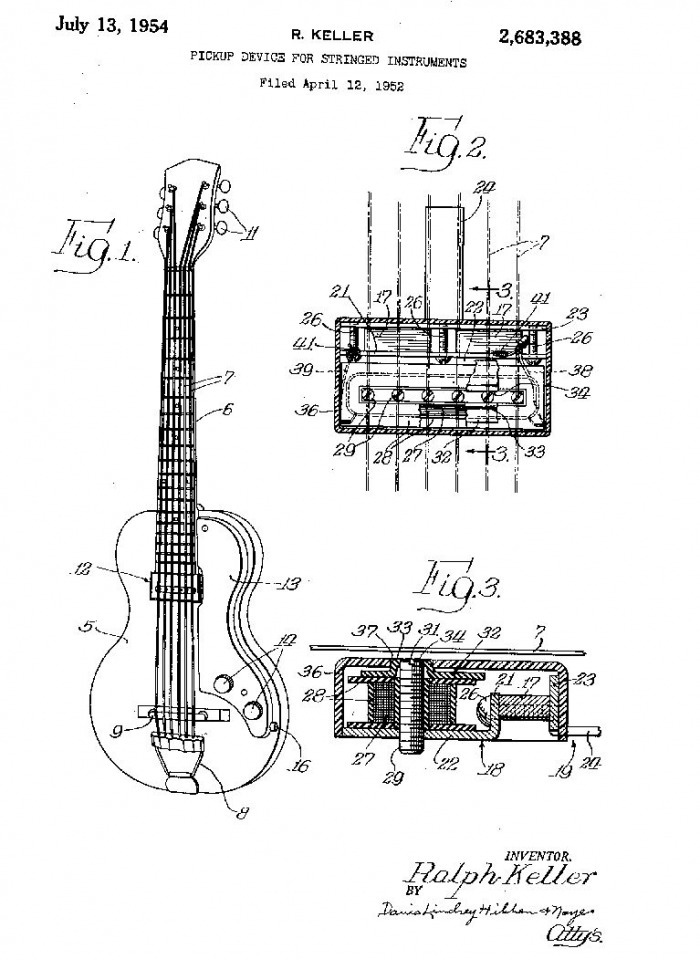
United States patent 2,683,388, filed 12 April 1952 and granted 13 July 1954 to R. Keller: Pickup Devices for Stringed Instruments.
This is the drawing behind the pickups that make these guitars worth chasing. Three figures: the whole instrument, the pickup in section, and the detail of the coil and its mounting.
Bob had this on the site without a caption. It belongs with the Valco material, so it is here.
Not the guitars
Something else being built at home, parked at this same address so it is easy to find: a house that watches its own cameras, decides which moments are worth mentioning, and writes down what it saw.
What it is, how to work it, what is coming, and what is still only an idea. Written for a person rather than an engineer, and updated as the house changes.
Read the manual →Nine minutes on a November afternoon, seen through three cameras — the written account, the whole sequence stitched together, and each of the thirteen moments with its own short clip.
Open the investigation →Not sure what any of that means? There is a page that explains it in plain words.